Skip to main content

What kind of emergency incident training does Radius Group provide?
Training for when it’s real – not when it’s easy
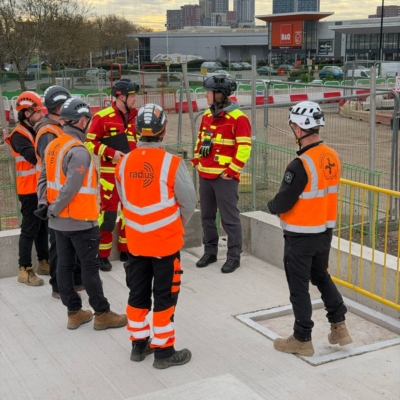
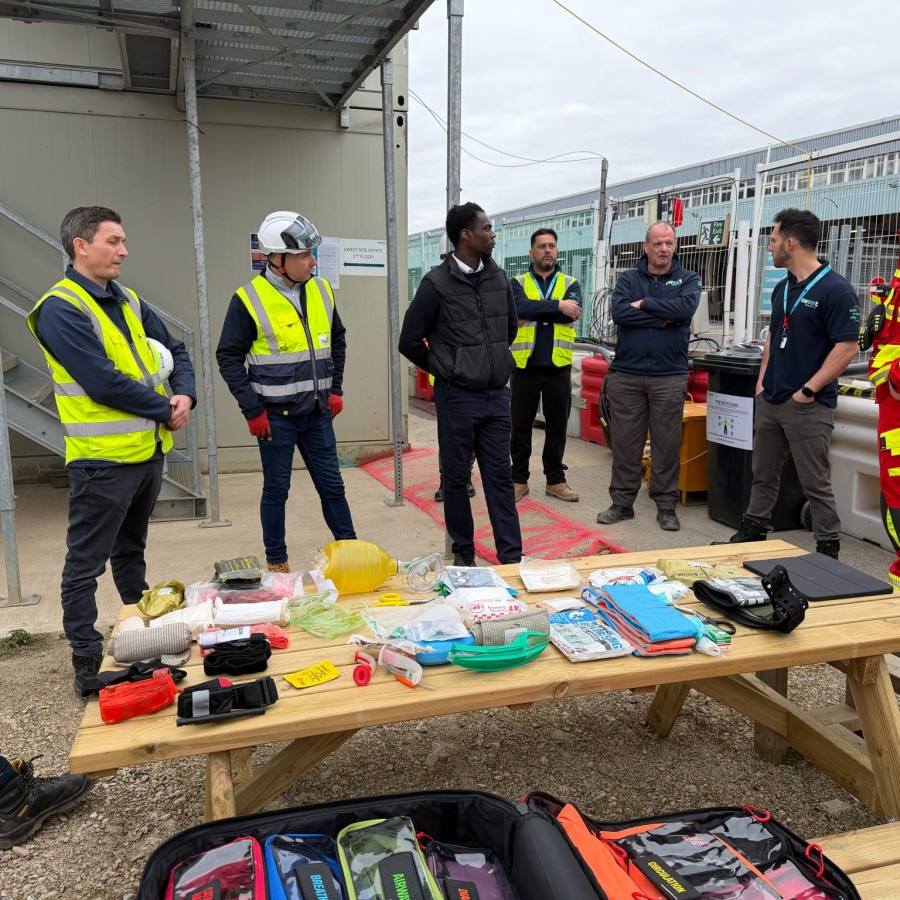
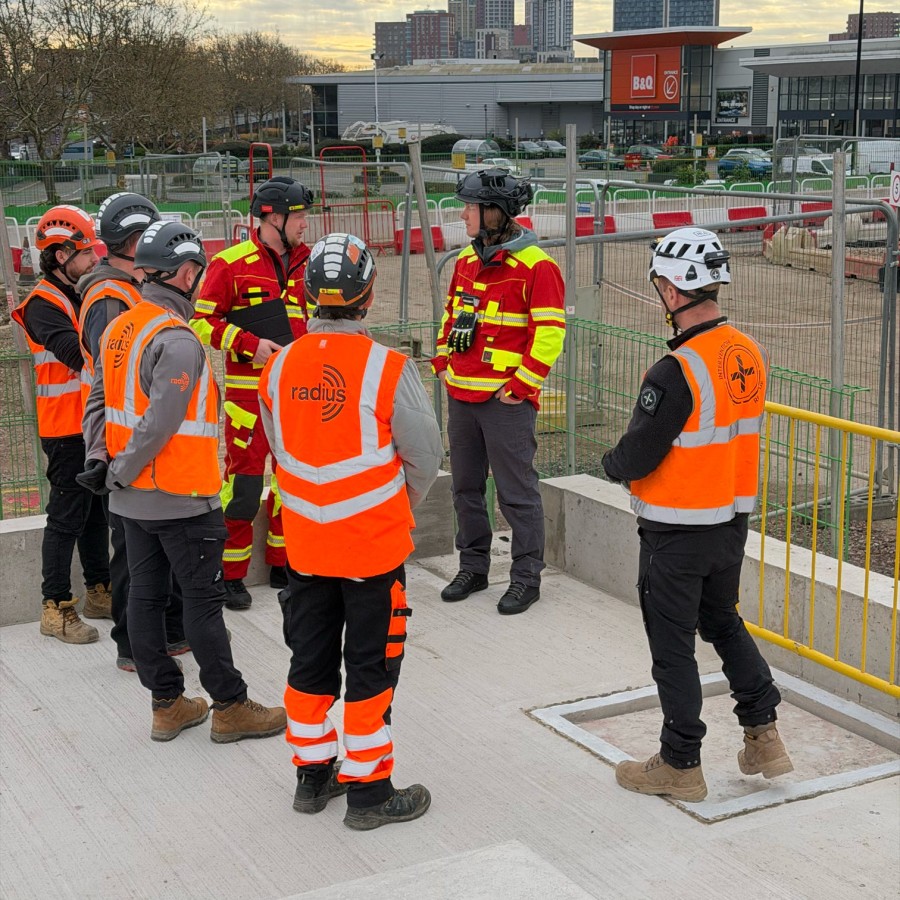
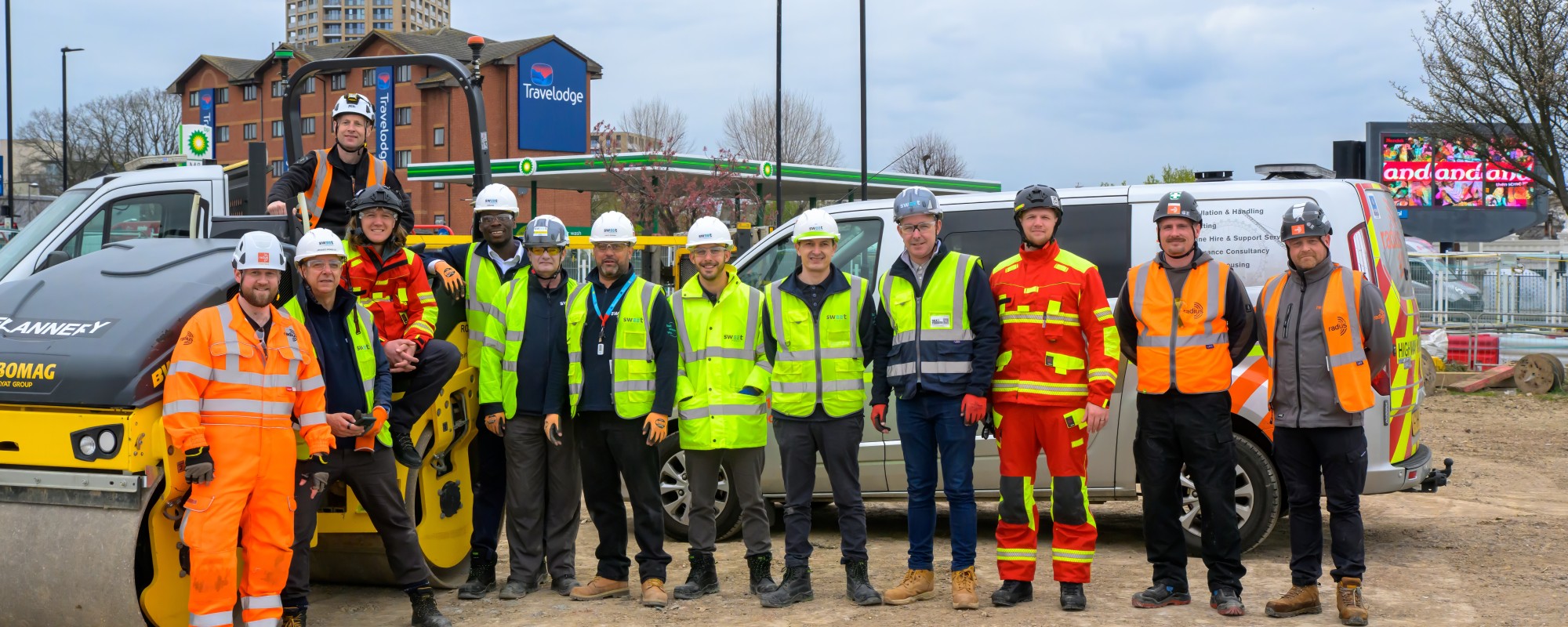
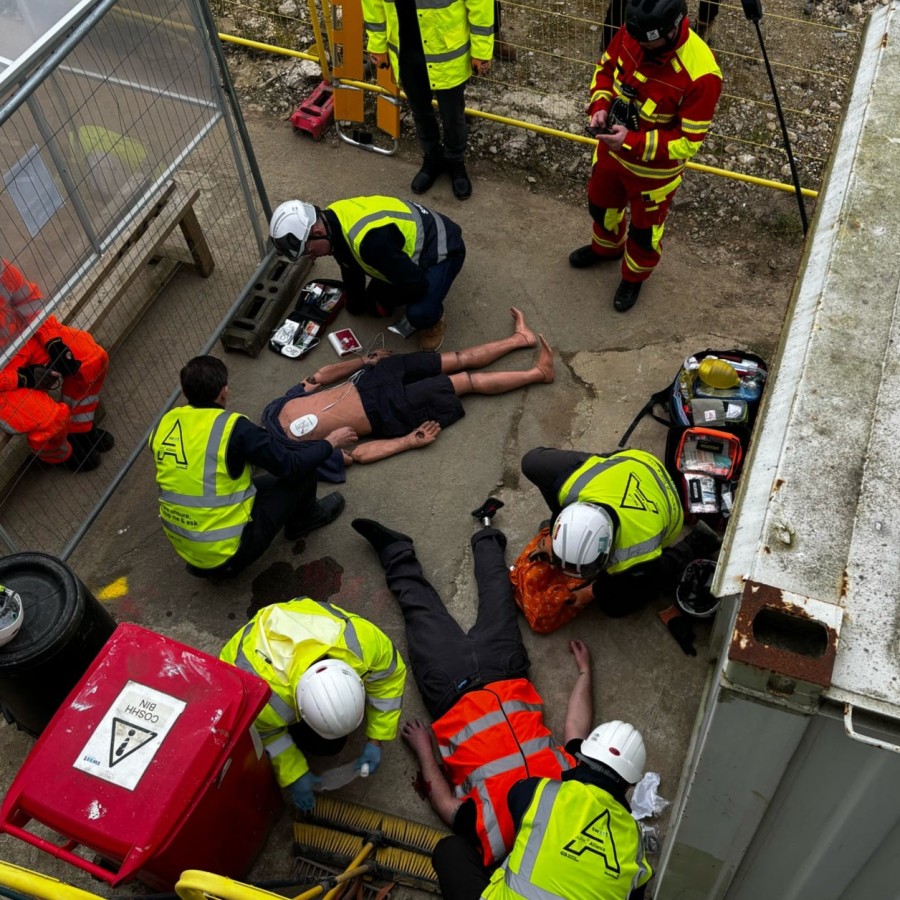
Radius Group, in collaboration with The Soteria Group, recently delivered a bespoke Emergency Incident Immersive Day for Sweet Projects as part of the EIERRC (Enhanced Industry Emergency Response Rescue & Command) programme.
Developed around Sweet Projects’ site environment and operational requirements, the day was designed to challenge operatives with realistic emergency situations reflecting the risks they may genuinely face.
This was not classroom-based first aid.
It was practical, exercise-led emergency response training built around the realities of live construction
How does the training test real-world emergency response under pressure?
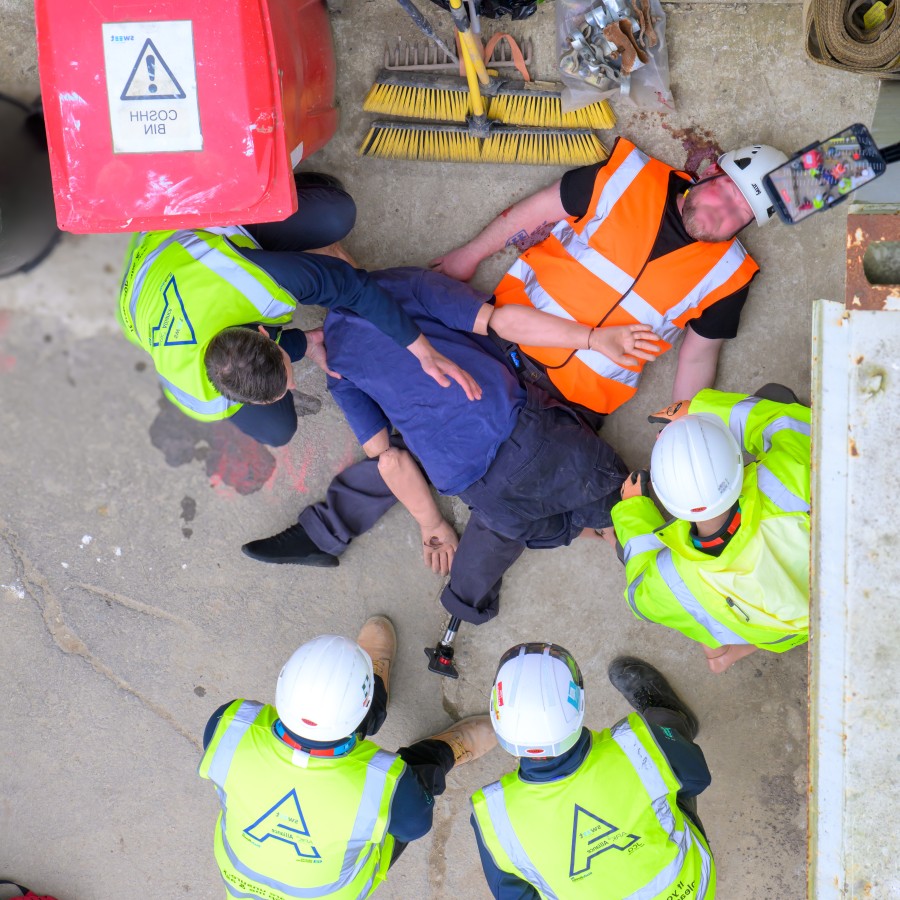
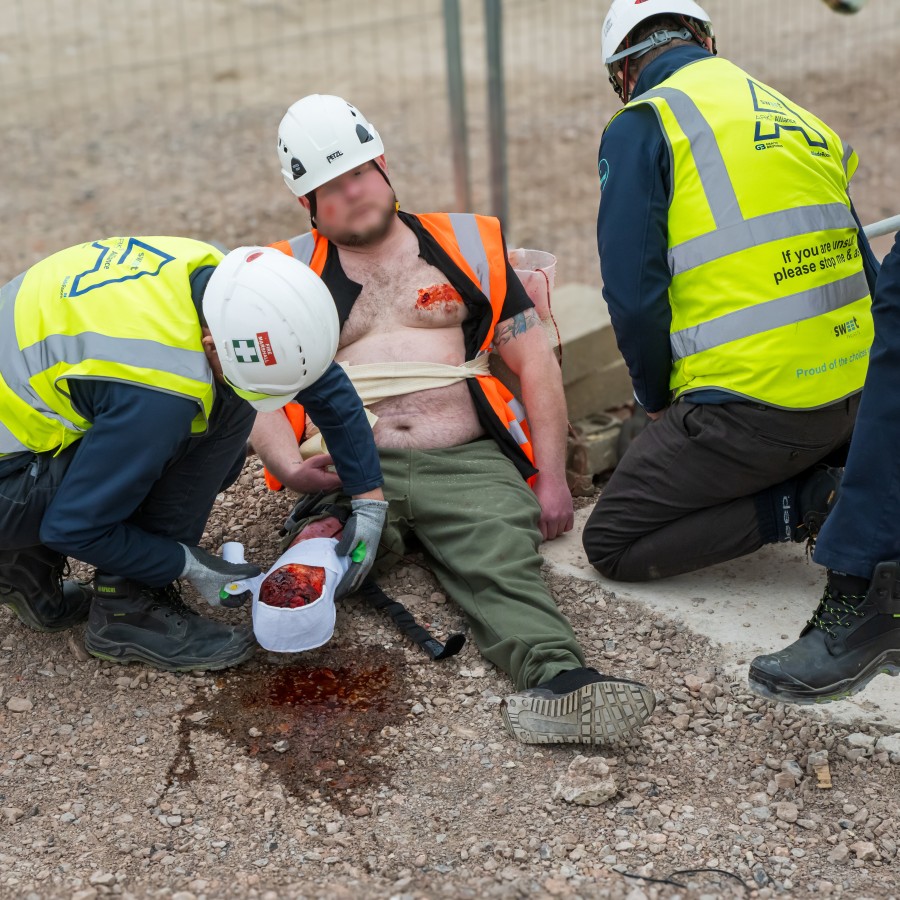
The exercise consisted of three live, incident simulations, each replicating credible construction risks:
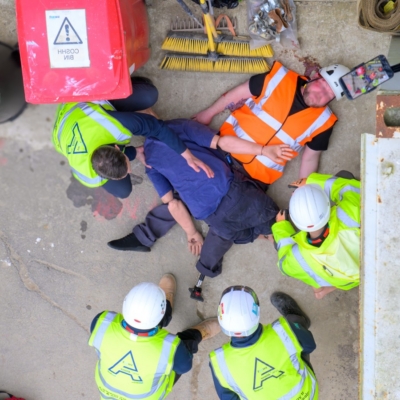
- Fall from height
- Crush injury
- High-pressure test failure
These scenarios were based on real incident trends and site-specific risks, requiring teams to assess casualties, coordinate response and make critical decisions in real time. The aim was not just to test knowledge, but to evaluate how individuals and teams perform when faced with the complexity and urgency of a genuine emergency.
A truly immersive, bespoke training environment
The day was tailored specifically for Sweet Projects, ensuring the training reflected their site conditions and real-world risks – not generic construction scenarios.
To create an environment as close to a real incident as possible, the exercise incorporated:
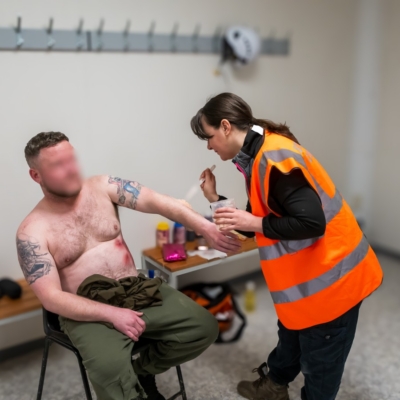
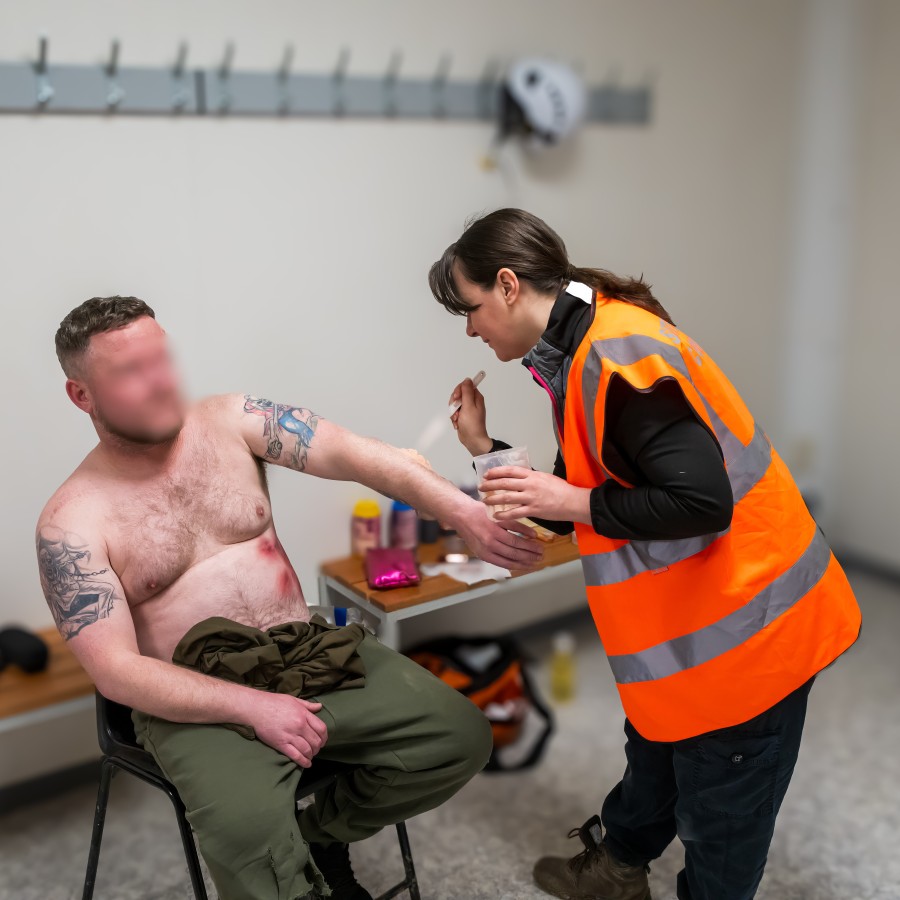
- Professional actors portraying casualties
- Special effects simulation managers creating realistic injuries
- Live scenarios based on genuine site risks
In one exercise, a casualty was played by an amputee, adding a further level of realism and reinforcing the importance of calm, decisive action in complex situations. Qualified medical cover was present throughout, ensuring the training could be delivered safely while maintaining its intensity. These elements are not about theatre – they are about preparing teams to respond effectively under pressure.
How does EIERRC training move beyond basic compliance for high-risk construction?
EIERRC training moves beyond basic compliance by combining Medical and trauma emergency response, Height safety and rescue, and Emergency response coordination. While Health and Safety (First-Aid) Regulations 1981 require ‘adequate and appropriate’ first aid provision, high-risk construction environments demand more. EIERRC has been developed to reflect the complex challenges of traumatic injury, restricted access, plant interfaces, and dynamic working conditions, helping clients strengthen not only compliance but genuine on-site capability.
How does EIERRC training move beyond basic compliance for high-risk construction?
Who delivers the bespoke emergency incident training in partnership?
As programme lead, Radius Group delivered this bespoke immersive day in collaboration with The Soteria Group, combining specialist trauma response expertise with practical knowledge of live construction environments.
Together, we are helping clients like Sweet Projects raise the standard of emergency preparedness – giving teams the skills and confidence to respond when it matters most.
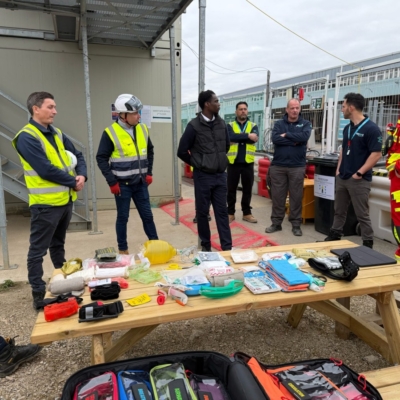
”“The session brought together individuals with a wide range of experience levels, which made the training both collaborative and insightful. Radius delivered three realistic rescue scenarios involving workers affected by a major incident, giving us the opportunity to practise responding under pressure.
The training provided valuable insight into managing a casualty during a serious incident, including how to safely approach and rescue an injured worker, how to use the rescue bag and its equipment effectively, and how to communicate with and call the ambulance service.
Overall, it was an informative and engaging session that has genuinely improved my confidence in dealing with emergency situations. I would highly recommend this training to anyone who wants to better understand emergency first aid and how to act if and when a major incident occurs.”
Jacques PrinslooSenior HSQE Manager, Sweet Projects
How can you strengthen emergency response capability with the EIERRC programme?
If you are looking to strengthen emergency response capability across your projects, the EIERRC programme has been developed specifically for high-risk construction environments.
Explore the EIERRC framework, download the brochure and book a course for your team.
👉 Click here to download brochure